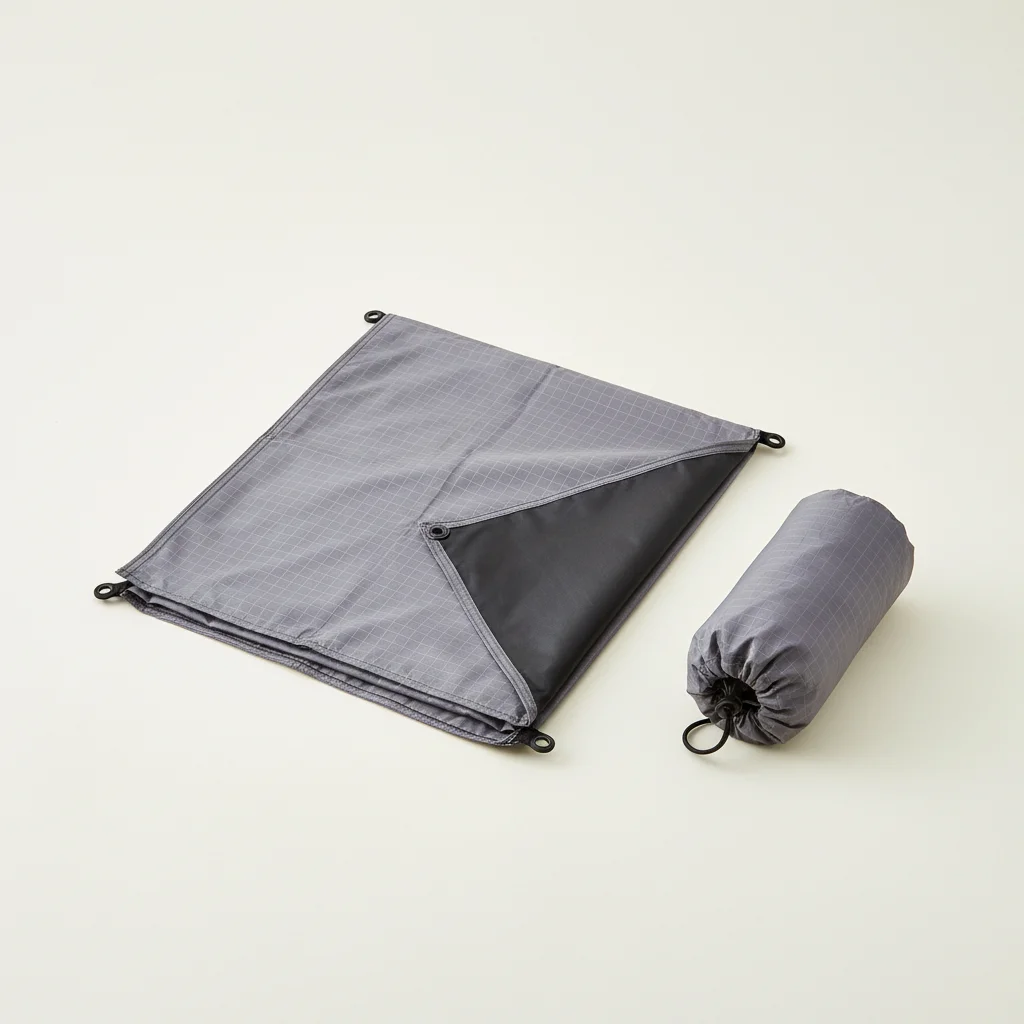
A camping tent footprint is a protective barrier placed between your tent floor and the ground, offering significant benefits that extend tent life, improve comfort, and enhance the overall camping experience. While not strictly essential for every trip, a quality footprint provides an extra layer of defense against abrasion, moisture, and punctures, making it a worthwhile investment for most serious campers.
What is a Camping Tent Footprint?
A camping tent footprint is a custom-sized tarp designed to match the dimensions of your tent’s floor. It’s typically made from durable, waterproof materials like polyethylene, nylon, or polyester, often with a waterproof coating. Its primary purpose is to protect the tent floor from wear and tear caused by rough terrain, sharp objects, and prolonged exposure to moisture. Many tent manufacturers offer specific footprints tailored to their tent models, ensuring a perfect fit and optimal protection.
Key Benefits of Using a Tent Footprint
Using a tent footprint provides several crucial advantages. Firstly, it acts as a sacrificial layer, taking the brunt of abrasion from rocks, twigs, and dirt, thereby preventing damage to your tent’s more delicate floor fabric. This significantly prolongs the lifespan of your tent, saving you money on repairs or replacements. Secondly, a footprint adds an extra layer of waterproofing, preventing ground moisture from seeping through the tent floor, which keeps the interior drier and more comfortable, especially during rainy conditions or when camping on damp ground. Lastly, it helps keep the bottom of your tent cleaner, making pack-up easier and reducing the amount of dirt you bring home.
- Extends tent lifespan by preventing abrasion
- Adds an extra layer of moisture protection
- Keeps tent floor cleaner for easier packing
- Provides insulation against cold ground
- Protects against punctures from sharp objects
Choosing the Right Footprint for Your Tent
|
Our Picks for the Best Camping Tent in 2026
As an Amazon Associate I earn from qualifying purchases.
|
||
| Num | Product | Action |
|---|---|---|
| 1 | CAMPROS CP Tent 8 Person Camping Tents, Weather Resistant Family Tent, 5 Large Mesh Windows, Double Layer, Divided Curtain for Separated Room, Portable with Carry Bag |

|
| 2 | Coleman Sundome Camping Tent with Rainfly, 2/3/4/6 Person Tent Sets Up in 10 Mins, Weatherproof Shelter for Camping, Festivals, Backyard, Sleepovers, & More |
|
| 3 | Amazon Basics Camping Tent, 3-Season Dome Design with Rainfly |
|
| 4 | FanttikOutdoor Camping Tent 4/6/8/10 Person Instant Cabin Tent Setup in 60 Seconds with Rainfly & Windproof Portable with Carry Bag for Family Camping & Hiking |
|
| 5 | Tents for Camping 2/3/4 Person with Rainfly - Camping Tent Waterproof Windproof Easy Setup, Portable Double Layer Outdoor Dome Tent, Backpacking Tents for Adventure Backyard Hiking |
|
| 6 | Golabs 3 Person Camping Tent w/ 9.5x8.5 ft Canopy, 3-Minute Setup by Pre-Attached Pole, PU1500mm Waterproof, 4 Side Mesh Tent Top & Door & Ventilation, Portable Family Tent w/Carry Bag & Pocket & Hook |
|
| 7 | Night Cat Pop-up Camping Tent: 2 Person Tent Waterproof Instant Easy Setup Family Tent |
|
| 8 | Coleman Sundome Camping Tent with Rainfly, 2/3/4/6 Person Tent Sets Up in 10 Mins, Weatherproof Shelter for Camping, Festivals, Backyard, Sleepovers, & More |
|
| 9 | Coleman Sundome Camping Tent with Rainfly, 2/3/4/6 Person Tent Sets Up in 10 Mins, Weatherproof Shelter for Camping, Festivals, Backyard, Sleepovers, & More |
|
| 10 | 2-3 Person Camping Tent, Instant Pop Up Tents for Camping - 40s Automatic Easy Setup Tent with Rainfly, Double-Layer 3500mm Waterproof & Windproof Instant Tents for Hiking Backpacking |
|
When selecting a footprint, the most important factor is size. It should be slightly smaller than your tent’s floor dimensions to prevent water from pooling between the footprint and the tent in rainy conditions. Many tent brands offer model-specific footprints, which are ideal. If a specific footprint isn’t available, you can use a generic tarp, but ensure it’s cut to the correct size. Look for durable, waterproof materials and reinforced grommets for staking. Some footprints also feature corner attachments that integrate with your tent’s pole system for a more secure setup.
Consider the type of camping you do. For ultralight backpacking, you might opt for a very thin, lightweight footprint. For car camping or more rugged environments, a thicker, more robust material would be beneficial. The goal is to find a balance between protection, weight, and packed size that suits your adventures.
Setting Up Your Tent with a Footprint
Proper setup of a tent footprint is straightforward but crucial. Lay the footprint out flat on your chosen campsite, ensuring it covers the exact area where your tent will sit. Make sure the footprint is smooth and free of wrinkles. Crucially, ensure the edges of the footprint are tucked slightly underneath the tent floor, or that the footprint is slightly smaller than the tent floor itself. This prevents rainwater from collecting on the footprint and channeling it under your tent, which would defeat its purpose. Once the footprint is correctly positioned, pitch your tent directly on top of it, securing both the tent and the footprint with stakes.
For optimal performance, always clean and dry your footprint thoroughly before storing it. This prevents mildew and extends its usability.A well-maintained footprint will continue to protect your tent for many seasons to come, making it a valuable addition to your camping gear.
Frequently Asked Questions
What is the main purpose of a camping tent footprint?
The main purpose of a camping tent footprint is to act as a protective barrier between your tent's floor and the ground. It shields the tent from abrasion, punctures from sharp objects, and prevents ground moisture from seeping into the tent interior.
Does a tent footprint really extend the life of my tent?
Yes, a tent footprint significantly extends the life of your tent by providing a sacrificial layer against wear and tear. It protects the more delicate tent floor fabric from damage caused by rocks, twigs, and dirt, reducing the need for repairs or replacements.
How do I choose the right size footprint for my tent?
When choosing a footprint, select one that is slightly smaller than your tent's floor dimensions. This prevents rainwater from pooling between the footprint and the tent, which could channel water underneath. Many tent brands offer model-specific footprints for a perfect fit.
Can I use a generic tarp as a tent footprint?
You can use a generic tarp as a tent footprint, but it's crucial to cut it to the correct size. Ensure it's slightly smaller than your tent's floor to prevent water collection and that it's made from durable, waterproof material.
What are the benefits of using a tent footprint in wet conditions?
In wet conditions, a tent footprint adds an extra layer of waterproofing, preventing ground moisture from seeping through the tent floor. This keeps the interior drier and more comfortable, especially during rainy weather or when camping on damp ground.
Setting Up Your Tent with a Footprint
Properly setting up a tent footprint is crucial for maximizing its protective benefits and ensuring a dry, comfortable camping experience.
Lay the footprint flat on your chosen campsite, ensuring it covers the exact area where your tent will sit. Make sure the footprint is smooth and free of wrinkles to provide an even base.
Crucially, ensure the edges of the footprint are tucked slightly underneath the tent floor, or that the footprint is slightly smaller than the tent floor itself. This prevents rainwater from collecting on the footprint and channeling it under your tent, which would defeat its purpose.
Once the footprint is correctly positioned, pitch your tent directly on top of it. Secure both the tent and the footprint with stakes to prevent shifting and ensure stability.
For optimal performance, always clean and dry your footprint thoroughly before storing it. This prevents mildew and extends its usability, ensuring it protects your tent for many seasons.

Seriously, don’t skip the footprint! I always camp in pretty rugged areas and the protection against punctures is a lifesaver. I’ve had small sticks and rocks try to poke through, but the footprint takes the hit. It’s a small investment that saves you from having to patch your tent floor constantly.
I used to think a footprint was just an extra thing to carry, but after getting one for my new backpacking tent, I’m a convert. It really does make a difference in keeping the tent floor clean and dry, especially when I’m setting up on damp ground. Definitely extends the life of my gear, which is huge for me.
Got a generic polyethylene footprint for my older dome tent and it’s been solid. It’s not custom-sized like the post mentioned, so there’s a bit of tucking involved to make sure it doesn’t collect water, but for the price, it’s a great extra layer of defense. My tent floor used to get so grimy, now it’s much better.
I bought a footprint made from nylon for my family tent. It works okay for abrasion, but I found it still let a little moisture through on one particularly rainy trip. Maybe I just got a less waterproof one, or the ground was super saturated. It’s better than nothing, but I was hoping for complete dryness.