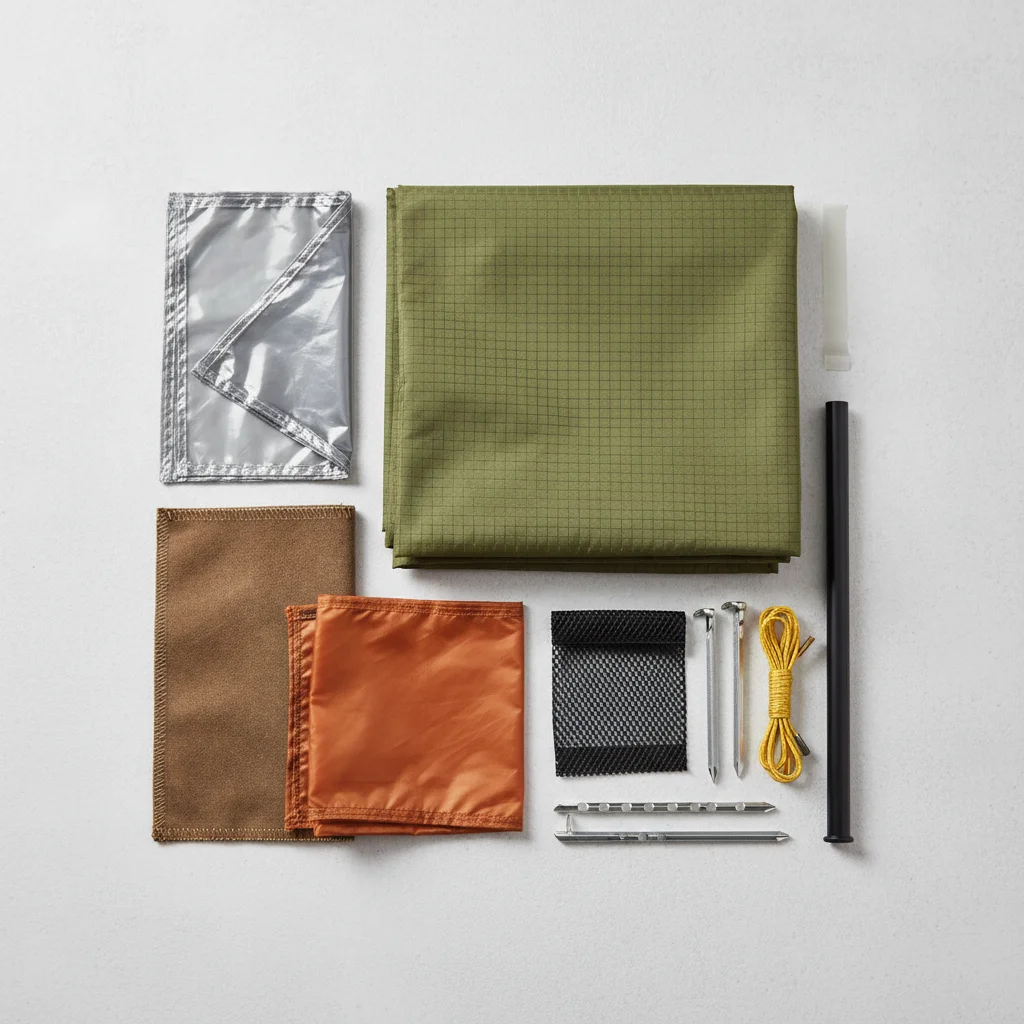
When choosing a camping tent, the material it’s made from is crucial for durability, weather resistance, and overall performance. The most durable camping tent materials are typically ripstop nylon and polyester, often coated with silicone or polyurethane for enhanced waterproofing and UV protection. These fabrics offer an excellent balance of strength, weight, and resistance to tears and abrasions, ensuring your shelter stands up to various outdoor conditions.
Understanding Common Tent Fabrics
Camping tents are primarily constructed from synthetic fabrics like nylon and polyester. Nylon is known for its strength-to-weight ratio and elasticity, making it resistant to sudden impacts and tears. Polyester, on the other hand, is more resistant to UV degradation and water absorption, which helps maintain its integrity and shape over time, especially in prolonged sun exposure or damp conditions. Both materials are often treated to improve their performance. For shop curated camping tents on this site.
Ripstop versions of these fabrics incorporate a special weaving technique that makes them highly resistant to tearing. If a small tear does occur, the ripstop pattern prevents it from spreading, which is a significant advantage in the backcountry. Denier (D) is a common measurement indicating the fabric’s thickness and, generally, its durability; higher denier counts mean thicker, heavier, and more robust fabric.
The Role of Coatings and Treatments
Fabric coatings are essential for a tent’s weather resistance. Polyurethane (PU) coating is widely used for waterproofing, applied to the interior of the fabric. It’s measured in millimeters (mm) of water column, indicating how much water pressure the fabric can withstand before leaking. A typical rainfly might have a PU coating of 1500mm to 3000mm. Silicone (Si) coating, often referred to as silnylon or silpoly, is applied to both sides of the fabric, making it extremely water-repellent and increasing its tear strength. While more expensive, silnylon tents are lighter and more durable.
UV inhibitors are also critical, especially for tents used in sunny environments. Prolonged exposure to ultraviolet rays can degrade tent fabrics, making them brittle and reducing their lifespan. Some tents incorporate specific UV-resistant treatments or use polyester, which naturally has better UV resistance than nylon.
Factors Influencing Material Choice
|
Our Picks for the Best Camping Tent in 2026
As an Amazon Associate I earn from qualifying purchases.
|
||
| Num | Product | Action |
|---|---|---|
| 1 | Amazon Basics Camping Tent, 3-Season Dome Design with Rainfly |

|
| 2 | Coleman Sundome Camping Tent with Rainfly, 2/3/4/6 Person Tent Sets Up in 10 Mins, Weatherproof Shelter for Camping, Festivals, Backyard, Sleepovers, & More |
|
| 3 | CAMPROS CP Tent 8 Person Camping Tents, Weather Resistant Family Tent, 5 Large Mesh Windows, Double Layer, Divided Curtain for Separated Room, Portable with Carry Bag |
|
| 4 | Night Cat Pop-up Camping Tent: 2 Person Tent Waterproof Instant Easy Setup Family Tent |
|
| 5 | 2-3 Person Camping Tent, Instant Pop Up Tents for Camping - 40s Automatic Easy Setup Tent with Rainfly, Double-Layer 3500mm Waterproof & Windproof Instant Tents for Hiking Backpacking |
|
| 6 | Tents for Camping 2/3/4 Person with Rainfly - Camping Tent Waterproof Windproof Easy Setup, Portable Double Layer Outdoor Dome Tent, Backpacking Tents for Adventure Backyard Hiking |
|
| 7 | Golabs 3 Person Camping Tent w/ 9.5x8.5 ft Canopy, 3-Minute Setup by Pre-Attached Pole, PU1500mm Waterproof, 4 Side Mesh Tent Top & Door & Ventilation, Portable Family Tent w/Carry Bag & Pocket & Hook |
|
| 8 | FanttikOutdoor Camping Tent 4/6/8/10 Person Instant Cabin Tent Setup in 60 Seconds with Rainfly & Windproof Portable with Carry Bag for Family Camping & Hiking |
|
| 9 | Coleman Sundome Camping Tent with Rainfly, 2/3/4/6 Person Tent Sets Up in 10 Mins, Weatherproof Shelter for Camping, Festivals, Backyard, Sleepovers, & More |
|
| 10 | Coleman Sundome Camping Tent with Rainfly, 2/3/4/6 Person Tent Sets Up in 10 Mins, Weatherproof Shelter for Camping, Festivals, Backyard, Sleepovers, & More |
|
Your choice of tent material should align with your intended use. For lightweight backpacking, silnylon or silpoly tents are often preferred due to their low weight and high durability. Car camping or basecamp tents might utilize heavier denier polyester or nylon for maximum ruggedness and space, where weight is less of a concern. Extreme weather conditions, such as high winds or heavy snow, demand fabrics with superior tear strength and robust coatings.
- Weight: Lighter fabrics (lower denier, silnylon) for backpacking.
- Durability: Higher denier fabrics, ripstop weaves for rugged use.
- Weather Resistance: High PU ratings, silicone coatings for rain and snow.
- UV Resistance: Polyester or UV-treated fabrics for sunny climates.
- Cost: More advanced materials and coatings typically increase the price.
Maintenance for Longevity
Regardless of the material, proper maintenance significantly extends the life of your camping tent. Always dry your tent thoroughly before packing it away to prevent mildew and fabric degradation. Clean off dirt and debris gently, avoiding harsh chemicals that can strip coatings. Store your tent in a cool, dry place, away from direct sunlight. Regular inspection for small tears or worn coatings allows for timely repairs, preventing minor issues from becoming major problems.
Investing in a tent with high-quality materials and understanding their properties will ensure your shelter provides reliable protection for many adventures to come. Consider the balance between weight, durability, and weather resistance based on your specific camping needs.
Comparing Nylon and Polyester Performance
While both nylon and polyester are excellent choices for tent construction, they each have distinct advantages. Nylon, particularly ripstop nylon, excels in its elasticity and strength, making it very resilient against sudden stresses like strong gusts of wind. However, nylon can stretch when wet, potentially causing the tent fabric to sag. Polyester, on the other hand, is more dimensionally stable, meaning it retains its shape better when wet and is less prone to sagging. Its superior UV resistance also makes it a better choice for prolonged exposure to sunlight, as it degrades slower than nylon under UV radiation. For a balance of features, many high-performance tents use a combination, such as a nylon fly for strength and a polyester canopy for UV stability.
