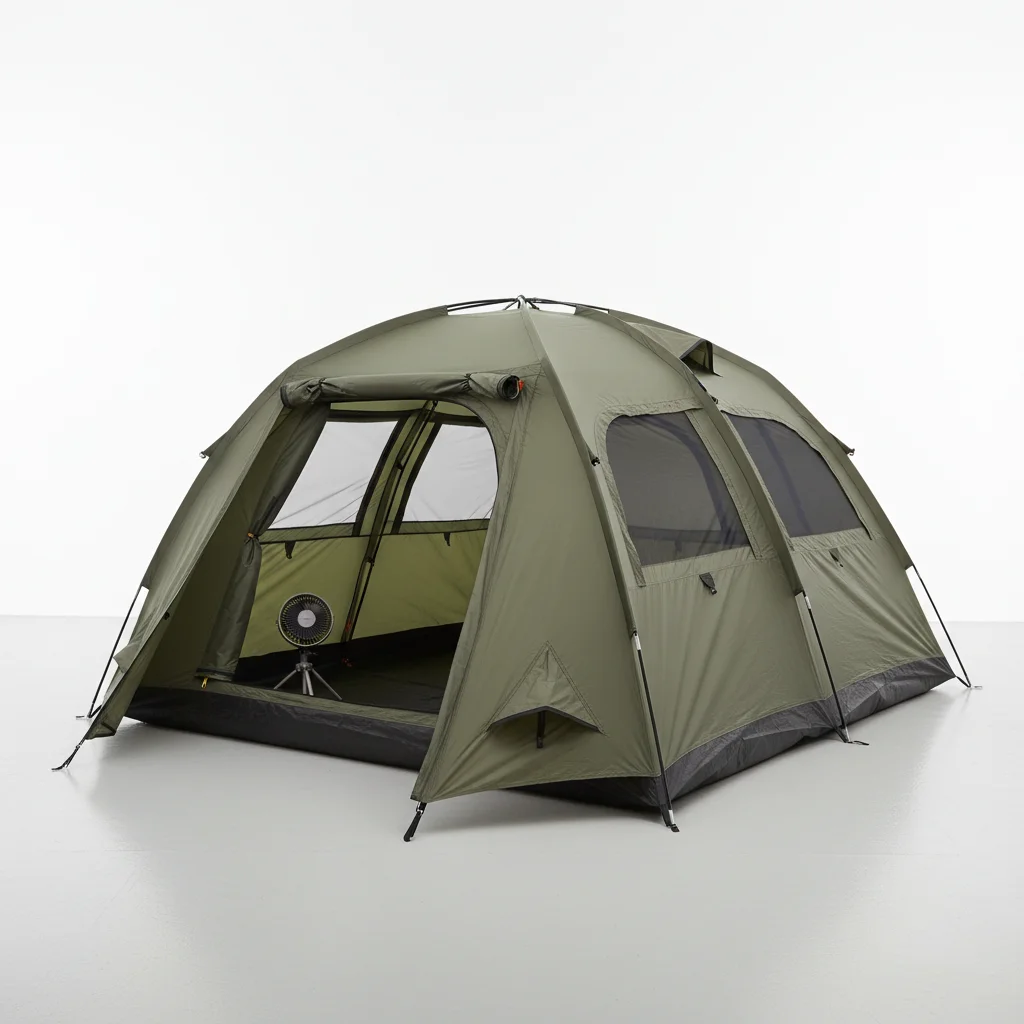
Effective camping tent ventilation is crucial for preventing condensation, which occurs when warm, moist air meets cooler tent fabric. This phenomenon can make your tent damp and uncomfortable, especially in colder or humid conditions. By implementing strategies like maximizing airflow and managing internal moisture, you can significantly reduce moisture buildup and enjoy a more pleasant camping experience. For instance, opening all available vents and ensuring proper rainfly spacing can decrease condensation by up to 50%.
Understanding Condensation in Tents
Condensation forms inside your tent when warm, moist air from your breath and body comes into contact with the cooler fabric of the tent walls. This is especially common in colder weather or when there’s high humidity. Without proper ventilation, this moisture has nowhere to go, leading to water droplets accumulating on the interior surfaces, often mistaken for leaks. The amount of condensation can vary greatly depending on the number of occupants, outside temperature, and the tent’s design. For best camping tents roundups on this site.
Strategies for Maximizing Airflow
To combat condensation, maximizing airflow is paramount. Always open your tent’s vents, even in light rain, as most modern tents are designed to prevent water ingress through these openings. If your tent has multiple doors, consider unzipping the top portion of each to create a cross-breeze. For tents with rainflies, ensure there’s adequate space between the fly and the inner tent; this air gap is vital for insulation and ventilation. Positioning your tent to catch a gentle breeze can also naturally enhance air circulation.
- Open all available vents and windows.
- Partially unzip tent doors for cross-ventilation.
- Ensure proper spacing between rainfly and inner tent.
- Orient your tent to utilize natural breezes.
- Avoid pitching in low-lying, humid areas if possible.
Managing Internal Moisture Sources
|
Our Picks for the Best Camping Tent in 2026
As an Amazon Associate I earn from qualifying purchases.
|
||
| Num | Product | Action |
|---|---|---|
| 1 | Coleman Sundome Camping Tent with Rainfly, 2/3/4/6 Person Tent Sets Up in 10 Mins, Weatherproof Shelter for Camping, Festivals, Backyard, Sleepovers, & More |

|
| 2 | Amazon Basics Camping Tent, 3-Season Dome Design with Rainfly |
|
| 3 | Coleman Sundome Camping Tent with Rainfly, 2/3/4/6 Person Tent Sets Up in 10 Mins, Weatherproof Shelter for Camping, Festivals, Backyard, Sleepovers, & More |
|
| 4 | Tents for Camping 2/3/4 Person with Rainfly - Camping Tent Waterproof Windproof Easy Setup, Portable Double Layer Outdoor Dome Tent, Backpacking Tents for Adventure Backyard Hiking |
|
| 5 | FanttikOutdoor Camping Tent 4/6/8/10 Person Instant Cabin Tent Setup in 60 Seconds with Rainfly & Windproof Portable with Carry Bag for Family Camping & Hiking |
|
| 6 | Golabs 3 Person Camping Tent w/ 9.5x8.5 ft Canopy, 3-Minute Setup by Pre-Attached Pole, PU1500mm Waterproof, 4 Side Mesh Tent Top & Door & Ventilation, Portable Family Tent w/Carry Bag & Pocket & Hook |
|
| 7 | CAMPROS CP Tent 8 Person Camping Tents, Weather Resistant Family Tent, 5 Large Mesh Windows, Double Layer, Divided Curtain for Separated Room, Portable with Carry Bag |
|
| 8 | 2-3 Person Camping Tent, Instant Pop Up Tents for Camping - 40s Automatic Easy Setup Tent with Rainfly, Double-Layer 3500mm Waterproof & Windproof Instant Tents for Hiking Backpacking |
|
| 9 | Night Cat Pop-up Camping Tent: 2 Person Tent Waterproof Instant Easy Setup Family Tent |
|
| 10 | Coleman Sundome Camping Tent with Rainfly, 2/3/4/6 Person Tent Sets Up in 10 Mins, Weatherproof Shelter for Camping, Festivals, Backyard, Sleepovers, & More |
|
Beyond external factors, internal moisture sources contribute significantly to condensation. Avoid bringing wet gear, such as damp clothes or muddy boots, inside your tent. If you must store them inside, place them in a separate vestibule or a waterproof bag. Cooking inside your tent is a major source of moisture and should be avoided at all costs. Even drying clothes inside can dramatically increase humidity. Consider using a tent footprint to prevent ground moisture from seeping up into your tent floor.
Choosing a Tent with Good Ventilation Features
When purchasing a new tent, prioritize models known for excellent ventilation. Look for tents with multiple large mesh panels, adjustable vents, and a design that allows for good airflow even with the rainfly on. Many three-season tents are designed with extensive mesh for summer ventilation, which also helps in cooler conditions. Four-season tents, while built for extreme weather, often have fewer mesh areas, making ventilation more challenging but still critical. Always check user reviews for comments on condensation performance before making a purchase.
Advanced Tips for Persistent Condensation
For persistent condensation issues, consider a few advanced tactics. If camping in very cold conditions, a small, battery-operated fan can help circulate air inside your tent, preventing moisture from settling. In extremely humid environments, some campers use small desiccant packets, though these have limited capacity. Always wipe down any visible condensation with a small towel in the morning to prevent it from dripping onto your gear. Remember that a completely condensation-free tent is often an unrealistic expectation, but significant reduction is always achievable.
Frequently Asked Questions
What causes condensation inside a camping tent?
Condensation inside a camping tent is primarily caused by warm, moist air from occupants' breath and bodies coming into contact with cooler tent fabric. This is more prevalent in cold weather or high humidity, leading to water droplets forming on interior surfaces.
How can I maximize airflow to reduce tent condensation?
To maximize airflow and reduce tent condensation, open all available vents and windows, and partially unzip tent doors for cross-ventilation. Ensure there is proper spacing between the rainfly and the inner tent, and orient your tent to catch natural breezes.
What internal moisture sources should I avoid inside my tent?
You should avoid bringing wet gear, such as damp clothes or muddy boots, inside your tent. Cooking inside the tent is a major moisture source and should be avoided, as should drying clothes indoors. Using a tent footprint can also prevent ground moisture from seeping in.
Are some tent designs better for preventing condensation?
Yes, tents with good ventilation features are better for preventing condensation. Look for models with multiple large mesh panels, adjustable vents, and designs that allow for ample airflow even with the rainfly on. Three-season tents often have extensive mesh for this purpose.
Can a fan help with persistent tent condensation?
Yes, a small, battery-operated fan can help with persistent tent condensation, especially in very cold conditions. It circulates air inside the tent, preventing moisture from settling. Wiping down visible condensation with a towel in the morning also helps.
Prevent Condensation in Your Camping Tent
Follow these steps to effectively prevent condensation inside your camping tent and ensure a dry, comfortable experience.
Open all available vents and windows on your tent. If your tent has multiple doors, partially unzip the top sections to create a cross-breeze. This ensures continuous air circulation, which is vital for reducing moisture buildup.
Verify that there is adequate space between your tent's rainfly and the inner tent. This air gap is crucial for both insulation and ventilation, allowing moist air to escape rather than condense on the inner walls.
Avoid bringing wet gear, such as damp clothes or muddy boots, inside your tent. If necessary, store them in a vestibule or waterproof bag. Never cook inside your tent, as this significantly increases humidity levels.
Position your tent to take advantage of natural breezes. This can significantly enhance air circulation and help dissipate moisture. Also, try to avoid pitching your tent in low-lying, humid areas if possible.
Place a tent footprint or ground tarp under your tent. This barrier prevents ground moisture from seeping up through the tent floor, which can contribute to overall humidity inside the tent.

This information on how condensation forms was super helpful. I always thought it was just rain leaking in, but understanding that it’s from my own breath and body moisture makes so much sense. Now I know why opening vents is so important. My last camping trip was so much more enjoyable without that clammy feeling inside the tent.
I’ve always struggled with condensation, especially when camping in humid areas. The tip about managing internal moisture, like not bringing wet gear inside, really resonated with me. I made a conscious effort to keep damp clothes and towels out of the tent, and it definitely helped. My tent felt much less stuffy and damp than usual. Good practical advice.
I used to wake up to a damp tent every single time, even on clear nights. After reading about maximizing airflow and ensuring proper rainfly spacing, I tried adjusting my setup on my last trip. What a difference! My tent was noticeably drier in the morning, and it made a huge impact on how comfortable I felt. Definitely a game-changer for preventing that annoying condensation.
I tried opening all the vents and making sure my rainfly was spaced correctly, but I still had some condensation. It was better than before, but not the 50% reduction I was hoping for. Maybe my tent just isn’t designed for super cold weather, or I need to try another strategy. Still, it’s a step in the right direction.