You should generally not wash a camping tent in a washing machine because the vigorous agitation and harsh detergents can strip waterproof coatings, cause tears, and compromise seams and zippers. Instead, hand washing with a tent-specific cleaner is the safest and most effective method to preserve its protective qualities and extend its lifespan, ensuring it remains a reliable shelter for future expeditions.
What is a Camping Tent and Why Proper Cleaning Matters?
A camping tent serves as your essential portable shelter, providing protection from the elements, privacy, and a comfortable space to rest during outdoor adventures. From lightweight backpacking tents to spacious family cabins, each is designed with specific materials and coatings to withstand diverse weather conditions. Proper cleaning is not merely about aesthetics; it’s a critical aspect of tent maintenance that directly impacts its lifespan and performance. Neglecting your tent can lead to the accumulation of dirt, grit, and acidic residues that degrade fabrics, compromise waterproof coatings, and encourage the growth of mold and mildew, ultimately shortening its functional life and exposing you to the elements prematurely.
Why You Should NOT Wash Your Camping Tent in a Washing Machine
The short answer is a resounding no, you should generally not wash your camping tent in a washing machine. While it may seem like an easy solution for a dirty tent, the potential damage far outweighs any perceived convenience. Most tent manufacturers and outdoor gear experts strongly advise against machine washing for several critical reasons.
Damage to Tent Fabric and Components
The vigorous agitation and high-speed spinning cycles of a washing machine are simply too harsh for the delicate, technical fabrics and construction of a camping tent. These forces can cause irreversible damage:
- Stripping Waterproof Coatings: Most tents feature a Durable Water Repellent (DWR) coating and often a polyurethane (PU) coating on the underside of the fly and floor. The mechanical action of a washing machine, combined with harsh detergents, can easily strip away these crucial layers, rendering your tent significantly less waterproof.
- Tears and Abrasions: The constant rubbing against the washing machine drum, other tent parts like zippers and guy lines, and even itself can cause tears, abrasions, and weaken the fabric threads.
- Compromising Seams and Zippers: Stitched seams are often taped or sealed for waterproofing. Machine washing can cause these seals to delaminate, leading to leaks. Zippers can also get snagged, bent, or completely broken during a wash cycle.
Risk to Your Washing Machine
It’s not just your tent at risk; your washing machine could also suffer. A large tent, especially when saturated with water, becomes incredibly heavy and bulky. This can unbalance the washing machine drum, leading to excessive vibrations and potential damage to the machine’s internal components. Furthermore, the dirt, sand, small pebbles, and organic debris clinging to your tent can clog filters and drainage systems, leading to costly repairs.
Harmful Chemicals
Regular household detergents are formulated to be aggressive on stains and often contain harsh chemicals, brighteners, and fragrances that are detrimental to tent fabrics. These chemicals can break down the waterproof coatings, weaken the fabric fibers, and leave residues that attract dirt and promote mildew growth. For example, solvents found in some cleaners can severely reduce the waterproof qualities of tent materials.
The RIGHT Way: A Step-by-Step DIY Hand Washing Guide for Your Camping Tent
Embracing the DIY hand washing method is the safest and most effective way to clean your camping tent, preserving its protective qualities and extending its lifespan. While it requires a bit more effort, the results are well worth it.
Gather Your Supplies
Before you begin, gather everything you’ll need for a thorough and gentle cleaning:
- A large tub, such as a bathtub, a large plastic storage bin, or even a clean kiddie pool.
- Cool or lukewarm water (avoid hot water).
- A soft-bristle brush, sponge, or clean cloth.
- An old toothbrush for stubborn spots on zippers.
- A tent-specific cleaning agent, such as Nikwax Tech Wash or other gear-specific cleaners. Avoid household detergents, bleach, or dish soap.
- Mineral oil, hand sanitizer, or a small amount of rubbing alcohol for sap stains (use sparingly).
- White vinegar or hydrogen peroxide for mold and mildew (diluted).
- A clothesline or a spacious, shaded area for drying.
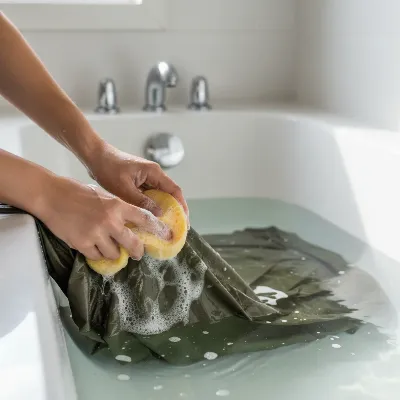 A person gently hand-washing a camping tent in a large bathtub with a soft sponge
Pre-Cleaning: Shake, Brush, and Spot Clean
Start by removing as much loose debris as possible. Set up your tent or lay it flat on a clean surface.
- Shake It Out: Give the tent a good shake to dislodge sand, dirt, and leaves.
- Brush Off Debris: Use a soft brush or cloth to gently sweep away any remaining dry dirt from both the interior and exterior of the tent, including the rainfly and footprint.
- Address Stubborn Stains:
- Mud/Dirt: For dried mud, use a soft brush. For fresh mud, gently wipe with a damp cloth and cold water.
- Pine Sap: Allow sap to dry completely. Place an ice cube on the opposite side of the fabric to make it brittle, then gently scrape it off. Alternatively, carefully dab with a small amount of mineral oil or alcohol-based hand sanitizer, then rinse the area thoroughly with clean water.
- Mold/Mildew: Mix an equal solution of white vinegar and water, or use diluted hydrogen peroxide. Lightly spray the affected areas and let it sit for a few minutes before gently scrubbing with a soft brush and rinsing well. Always test on an inconspicuous area first.
- Zippers: Use an old toothbrush to remove grit and dirt from zipper teeth. You can rinse with water or a little white vinegar solution if dirt is stubborn, making sure to rinse thoroughly afterwards.
The Gentle Soak: Immersing Your Tent
Once pre-cleaned, it’s time for the main wash.
- Fill the Tub: Fill your large tub with cool to lukewarm water.
- Add Cleaner: Pour in the recommended amount of your tent-specific cleaning agent. Read the product instructions carefully for precise measurements.
- Prepare the Tent: Unzip all doors and vents on the tent body and rainfly. Turn the tent inside out if possible, especially for heavily soiled interiors.
- Immerse: Carefully place the tent body, rainfly, and footprint into the water, ensuring they are fully submerged. Allow them to soak for the duration specified by your cleaner (usually 5-10 minutes, but check instructions).
Hand Washing Techniques
With the tent submerged, gently begin the hand washing process.
- Gentle Scrubbing: Using your soft brush or sponge, gently agitate the fabric and scrub any remaining dirty areas. Focus on high-contact zones like the floor, vestibule areas, and entryways. Avoid aggressive scrubbing, which can damage coatings.
- Agitate: Use your hands to gently swish the tent around in the cleaning solution, working the cleaner into the fabric.
Rinse Thoroughly
This is a critical step to prevent detergent residue from degrading your tent fabric.
- Drain Dirty Water: Drain the tub of all dirty, soapy water.
- Rinse Repeatedly: Refill the tub with clean, cool water. Swish the tent around and gently squeeze the fabric to remove soap. Repeat this process several times until the water remains completely clear and there are no signs of suds. A garden hose with gentle pressure can also be used to rinse the tent thoroughly if you have outdoor space.
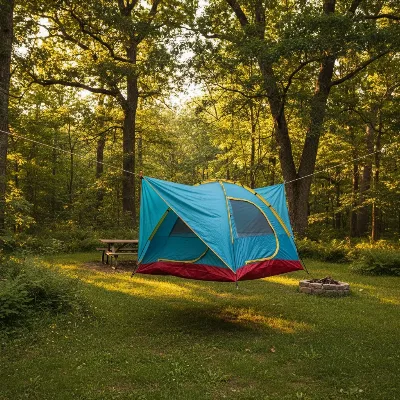 A camping tent hanging to air dry completely in a shaded, well-ventilated outdoor area
Crucial Drying Steps
Proper drying is essential to prevent mold and mildew growth.
- Air Dry Only: Never put your tent in a clothes dryer. The high heat will severely damage waterproof coatings and fabric.
- Shaded, Ventilated Area: Hang your tent (body, rainfly, and footprint separately if possible) in a well-ventilated area away from direct sunlight. Direct UV exposure can degrade the fabric and its protective coatings over time. A garage, basement with good airflow, or a large covered patio are ideal.
- Ensure Bone Dry: Allow ample time for the tent to dry completely – this can take several hours to a day or more, depending on humidity and airflow. Ensure every crevice, seam, and strap is bone-dry before packing it away. Any residual moisture will almost guarantee mold or mildew growth.
Re-waterproofing (Optional but Recommended)
After a thorough cleaning, especially if your tent is older or has seen heavy use, its DWR coating might be compromised.
- Apply DWR Treatment: Consider applying a spray-on or wash-in DWR treatment specifically designed for outdoor gear. This will rejuvenate its water repellency and provide an extra layer of protection against the elements. Follow the product’s instructions for application and drying.
Understanding Different Tent Types and Their Cleaning Needs
While the general hand-washing principles apply to most camping tents, slight variations might exist based on their material. Most modern tents are made from synthetic fabrics like nylon or polyester, which benefit from the gentle hand-wash method outlined. Canvas or polycotton tents may require specific cleaning agents recommended by their manufacturers, as natural fibers can react differently. Always check your tent’s care label or the manufacturer’s website for any unique cleaning instructions pertinent to your specific model and material. However, the rule against machine washing remains largely universal across all tent types to prevent damage to coatings and structural integrity.
Extending Your Tent’s Lifespan Beyond Cleaning
Beyond the occasional deep clean, consistent care will significantly extend your tent’s life. Always shake out your tent and wipe down dirty spots immediately after each trip. Using a tent footprint or ground tarp underneath your tent helps protect the floor from abrasion and keeps it cleaner. When storing, ensure your tent is completely dry, loosely folded, and kept in a cool, dry place away from direct sunlight. Regularly inspecting for minor tears or seam issues and addressing them promptly will prevent small problems from becoming major repairs.
Conclusion
While the thought of machine washing a dirty camping tent is tempting, it’s a practice best avoided to preserve your gear. The delicate fabrics, specialized waterproof coatings, and intricate components of modern tents are no match for the aggressive action of a washing machine and harsh detergents. Instead, embracing a careful, step-by-step DIY hand-washing approach ensures your tent remains waterproof, durable, and ready for countless more adventures. By investing a little time and effort in proper tent care, you’re not just cleaning gear; you’re safeguarding your home away from home in the wilderness.
What strategies do you use to keep your camping tent in prime condition between adventures?
Frequently Asked Questions
Can I use regular laundry detergent on my tent?
No, regular laundry detergents contain harsh chemicals, fragrances, and brighteners that can strip waterproof coatings (DWR), weaken tent fabric, and leave residues that attract dirt and promote mildew growth. Always use a mild, specialized cleaner designed for outdoor technical gear.
How often should I clean my tent?
It’s recommended to do a basic sweep and spot clean after every use. A thorough hand wash should be performed after particularly dirty trips or at the end of a camping season before long-term storage, typically once or twice a year, depending on frequency of use and conditions.
How do I remove mold from my tent?
For mold or mildew, gently spray the affected areas with a diluted solution of white vinegar and water (1:1 ratio) or hydrogen peroxide. Let it sit for a few minutes, then gently scrub with a soft brush or sponge and rinse thoroughly with clean water. Test on an inconspicuous area first.
What is DWR and why is it important?
DWR stands for Durable Water Repellent. It’s a coating applied to the exterior fabric of a tent that causes water to bead up and roll off, preventing the fabric from saturating. It’s crucial for maintaining the tent’s waterproofing and breathability.
Can I dry my tent in a clothes dryer?
Absolutely not. The high heat in a clothes dryer will severely damage the tent’s waterproof coatings, melt synthetic fabrics, and compromise its overall integrity, rendering it unusable for future protection against the elements. Always air dry your tent in a shaded, well-ventilated area.
Frequently Asked Questions
Can I use regular laundry detergent on my camping tent?
No, regular laundry detergents contain harsh chemicals, fragrances, and brighteners that can strip the Durable Water Repellent (DWR) coating, weaken tent fabric, and leave residues. Always use a mild, specialized cleaner designed for outdoor technical gear to protect your tent's integrity.
How often should a camping tent be thoroughly cleaned?
A basic sweep and spot clean are recommended after every use. A thorough hand wash should be performed after particularly dirty trips or at the end of a camping season before long-term storage, typically once or twice a year, depending on frequency of use and conditions.
What is the best way to remove mold from a tent's fabric?
For mold or mildew, gently spray affected areas with a diluted solution of white vinegar and water (1:1 ratio) or hydrogen peroxide. Let it sit for a few minutes, then gently scrub with a soft brush or sponge and rinse thoroughly with clean water. Always test on an inconspicuous area first.
Why is DWR important for a camping tent?
DWR stands for Durable Water Repellent, a crucial coating applied to the exterior fabric of a tent. It causes water to bead up and roll off, preventing the fabric from saturating, which is essential for maintaining the tent's waterproofing and breathability during adverse weather conditions.
Is it safe to dry a camping tent in a clothes dryer?
No, it is absolutely not safe to dry a camping tent in a clothes dryer. The high heat will severely damage the tent's waterproof coatings, melt synthetic fabrics, and compromise its overall integrity. Always air dry your tent in a shaded, well-ventilated area to prevent damage.
Hand Washing a Camping Tent
This guide outlines the safest and most effective step-by-step method for hand washing your camping tent, preserving its protective qualities and extending its lifespan.
Collect a large tub, cool water, a soft brush, a tent-specific cleaner (e.g., Nikwax Tech Wash), and optional spot treatment solutions. Shake out loose debris, brush off dry dirt, and spot clean stubborn stains like mud, pine sap, or mold using appropriate gentle methods.
Fill your tub with cool to lukewarm water and add the recommended amount of tent-specific cleaning agent. Unzip all tent openings and immerse the tent body, rainfly, and footprint, allowing them to soak for 5-10 minutes. Gently scrub dirty areas with a soft brush or sponge and swish the tent to work in the cleaner.
Drain the dirty, soapy water from the tub. Refill with clean, cool water and swish the tent around, gently squeezing the fabric to remove all soap residue. Repeat this rinsing process several times until the water remains completely clear and no suds are visible.
Never use a clothes dryer. Hang your tent (body, rainfly, and footprint separately) in a well-ventilated area away from direct sunlight. Allow ample time for the tent to dry completely, ensuring every crevice and seam is bone-dry before packing it away to prevent mold and mildew.
After cleaning, especially for older or heavily used tents, consider applying a spray-on or wash-in Durable Water Repellent (DWR) treatment. This will rejuvenate its water repellency and provide an extra layer of protection against the elements. Follow the product's specific instructions for application and drying.

This guide saved my tent! I was about to throw my tent in the washing machine, thinking it would be the easiest way to get rid of the mud and grime from my last trip. Luckily, I learned that can compromise seams and zippers. Hand washing with a gentle cleaner was the way to go, and my tent is now perfectly clean and ready for its next adventure.
I tried the hand washing method for my family cabin tent, and while it did get it clean, it was a lot more work than I expected for such a large tent. The guide was helpful, but I wish there were more tips for drying a big tent without it taking up my entire yard for a day. It’s good for preserving the tent, but be prepared for a project.
I used to just hose down my tent, but after reading about how machine washing can ruin the waterproof coating, I decided to try hand washing with a tent-specific cleaner. It made such a difference! My old backpacking tent looks almost new and I feel much more confident it’ll hold up on my next trip. Definitely worth the extra effort to protect the materials and coatings.
I’ve always been nervous about cleaning my lightweight backpacking tent because I didn’t want to damage it. The advice here about avoiding harsh detergents and vigorous agitation really resonated. I followed the steps for hand washing and my tent came out great. It’s good to know I’m extending its lifespan and keeping it reliable for future expeditions.