Choosing between a dome tent and a cabin tent depends on your camping priorities: dome tents excel in portability and wind resistance, making them ideal for backpackers and small groups facing adverse weather, while cabin tents offer superior interior space and comfort, perfect for families and car campers prioritizing livability. Dome tents typically feature curved poles and an aerodynamic shape, whereas cabin tents have straighter walls and a taller profile for maximum headroom. This guide details the specific advantages and ideal scenarios for each type to help you select the best shelter for your outdoor adventures.
Camping Tent Essentials: Understanding Your Shelter Needs
A camping tent serves as your portable home away from home, providing essential shelter from the elements, a private space for rest, and a secure base for your gear. Its role extends beyond mere protection; a well-chosen tent significantly enhances comfort and safety during any outdoor activity, whether you’re car camping with family, backpacking through rugged terrain, or enjoying a serene beach getaway. Understanding the fundamental purpose of a tent is the first step in identifying the ideal model for your specific adventures.
What is a Camping Tent? Why Do You Need One?
A camping tent is a temporary shelter designed to protect campers from wind, rain, insects, and sun while providing a private and comfortable sleeping area outdoors. Beyond basic protection, tents offer a sense of security and a designated personal space, crucial for a restful night under the stars. They are indispensable for various outdoor activities, allowing enthusiasts to extend their time in nature comfortably and safely. From casual backyard camping to multi-day wilderness expeditions, a reliable tent is the cornerstone of a successful trip.
Most Popular Camping Tent Types Today
The market offers a diverse range of camping tents, each engineered for specific environments and user needs. Beyond the classic A-frame and popular dome and cabin styles, you’ll find specialized options like pop-up tents for quick setup, rooftop tents integrated with vehicles, and expansive family tents designed for larger groups. While each type has its niche, dome and cabin tents remain perennial favorites due to their balance of features, versatility, and broad appeal among different types of campers, from weekend warriors to seasoned explorers.
Unpacking Dome Tents: Design, Benefits, and Ideal Scenarios
Dome tents are recognized by their characteristic curved poles that cross at the top, forming a self-supporting, rounded structure. This design creates a stable and aerodynamic shape, making them highly resistant to strong winds and efficient at shedding rain. Often lighter and more compact when packed, dome tents are a popular choice for backpackers and small groups prioritizing portability and weather resilience. Their simple pitch and robust construction make them a reliable option for various camping conditions.
Dome Tent: Design, Advantages, and Who Should Use Them
|
Our Picks for the Best Camping Tent in 2026
As an Amazon Associate I earn from qualifying purchases.
|
||
| Num | Product | Action |
|---|---|---|
| 1 | Coleman Sundome Camping Tent with Rainfly, 2/3/4/6 Person Tent Sets Up in 10 Mins, Weatherproof Shelter for Camping, Festivals, Backyard, Sleepovers, & More |

|
| 2 | CAMPROS CP Tent 8 Person Camping Tents, Weather Resistant Family Tent, 5 Large Mesh Windows, Double Layer, Divided Curtain for Separated Room, Portable with Carry Bag |
|
| 3 | 2-3 Person Camping Tent, Instant Pop Up Tents for Camping - 40s Automatic Easy Setup Tent with Rainfly, Double-Layer 3500mm Waterproof & Windproof Instant Tents for Hiking Backpacking |
|
| 4 | Golabs 3 Person Camping Tent w/ 9.5x8.5 ft Canopy, 3-Minute Setup by Pre-Attached Pole, PU1500mm Waterproof, 4 Side Mesh Tent Top & Door & Ventilation, Portable Family Tent w/Carry Bag & Pocket & Hook |
|
| 5 | Night Cat Pop-up Camping Tent: 2 Person Tent Waterproof Instant Easy Setup Family Tent |
|
| 6 | Coleman Sundome Camping Tent with Rainfly, 2/3/4/6 Person Tent Sets Up in 10 Mins, Weatherproof Shelter for Camping, Festivals, Backyard, Sleepovers, & More |
|
| 7 | Coleman Sundome Camping Tent with Rainfly, 2/3/4/6 Person Tent Sets Up in 10 Mins, Weatherproof Shelter for Camping, Festivals, Backyard, Sleepovers, & More |
|
| 8 | Tents for Camping 2/3/4 Person with Rainfly - Camping Tent Waterproof Windproof Easy Setup, Portable Double Layer Outdoor Dome Tent, Backpacking Tents for Adventure Backyard Hiking |
|
| 9 | FanttikOutdoor Camping Tent 4/6/8/10 Person Instant Cabin Tent Setup in 60 Seconds with Rainfly & Windproof Portable with Carry Bag for Family Camping & Hiking |
|
| 10 | Amazon Basics Camping Tent, 3-Season Dome Design with Rainfly |
|
Dome tents typically feature two or more flexible poles that arch over the tent body, creating a geodesic or semi-geodesic shape. This structure tension the fabric, enhancing stability and ensuring water runs off easily. Key advantages include their excellent wind resistance due to the low-profile, aerodynamic design, and often lighter weight compared to other tent types, making them suitable for backpacking. They also tend to be quicker to set up. Dome tents are ideal for solo campers, couples, and small groups who prioritize portability, weather protection, and need a tent that can withstand challenging conditions.
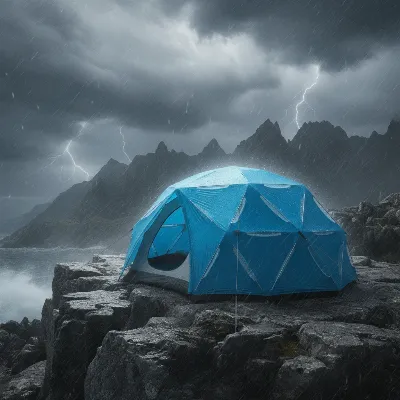 A robust dome camping tent standing firm against a stormy mountain backdrop, showcasing its wind-resistant design.
Exploring Cabin Tents: Space, Comfort, and Family Adventures
Cabin tents distinguish themselves with straighter walls and a taller profile, mimicking the spaciousness of a small room or cabin. Their design prioritizes interior volume, offering ample headroom and floor space that allows campers to stand upright and move around freely. While generally heavier and less aerodynamic than dome tents, cabin tents are the preferred choice for families and larger groups who value comfort, livability, and the ability to accommodate multiple sleeping areas and gear without feeling cramped.
Cabin Tent: Design, Advantages, and Who Should Use Them
Cabin tents are characterized by their near-vertical walls and often square or rectangular footprints, maximizing internal space and headroom. This design allows campers to stand up completely and move about comfortably, a significant advantage for taller individuals or extended stays. Their larger size typically includes room dividers to create separate “rooms” for privacy, and multiple windows for ventilation. The primary advantages are unparalleled interior space, superior comfort, and a home-like feel. Cabin tents are perfect for families, larger groups, or car campers who have sufficient vehicle space, prioritize comfort and livability, and anticipate spending considerable time inside the tent.
Dome vs Cabin Camping Tents: A Head-to-Head Comparison
Choosing between a dome and a cabin tent often comes down to balancing portability and weather resilience against spaciousness and comfort. While dome tents excel in lightweight design and robust performance against the elements, cabin tents offer a much more comfortable and roomy interior experience. This detailed comparison table highlights the key differences across several critical criteria, helping you pinpoint which tent style aligns best with your camping priorities.
Comparison Table: Dome vs. Cabin Camping Tents
| Feature | Dome Tent | Cabin Tent |
|---|---|---|
| Shape/Structure | Curved poles, rounded top, aerodynamic | Straighter walls, taller, rectangular/square |
| Headroom | Limited, generally lower | Excellent, stand-up height throughout |
| Interior Space | Efficient, cozy for sleeping | Spacious, room for standing & moving around |
| Wind Resistance | Superior, aerodynamic design | Moderate, tall walls can catch wind |
| Rain Shedding | Excellent, water sheds easily | Good, but flatter roofs can pool water |
| Weight | Lighter, more portable | Heavier, less portable |
| Pack Size | More compact | Bulkier |
| Setup Complexity | Generally easier and quicker | Can be more involved due to size/poles |
| Best Use | Backpacking, small groups, adverse weather | Family camping, car camping, longer stays |
| Price | Often more budget-friendly for similar capacity | Generally higher due to size and features |
Navigating Your Choice: How to Select the Perfect Tent
The ideal camping tent is a personal decision, deeply influenced by your specific camping style, group size, and the environments you plan to explore. Consider whether you prioritize a lightweight shelter for trekking, or a spacious retreat for family gatherings. Factors like weather conditions, ease of setup, and overall durability play equally important roles. By systematically evaluating your needs against the characteristics of both dome and cabin tents, you can confidently select a shelter that will enhance every outdoor adventure.
How to Choose the Right Tent for Your Needs
When choosing your tent, begin by defining your purpose. Are you car camping, backpacking, or planning a beach trip? This dictates priorities like weight versus space. Consider the number of people; a tent rated for one more person than your actual group often provides welcome extra space for gear or comfort. Weather resistance is crucial; look for features like a full-coverage rainfly, sealed seams, and sturdy poles if you expect rain or wind. Tent materials impact durability and weight: nylon is light, polyester is durable. Weight and packed size are paramount for backpacking, while less critical for car camping. Finally, set a budget and look for the best quality within that range. Additional features like vestibules, gear lofts, and multiple doors can greatly improve usability.
Key Features of Popular Dome and Cabin Tents
While specific models vary by brand, many popular dome and cabin tents share common design philosophies and sought-after features. Dome tents often emphasize robust, lightweight materials, advanced waterproofing, and quick-pitch systems, making them favorites for their reliability in diverse conditions. Cabin tents, on the other hand, frequently showcase innovative space-maximizing designs, enhanced ventilation, and amenities like room dividers and power ports, catering to those who desire a comfortable, home-like experience in the wilderness.
Mastering Your Shelter: Using and Maintaining Your Tent
Proper use and meticulous maintenance are key to maximizing the lifespan and performance of your camping tent. Setting up your tent correctly ensures stability and weather protection, while careful handling prevents premature wear and tear. Post-trip care, including thorough cleaning and proper storage, not only preserves the tent’s materials but also prepares it for future adventures. By following simple best practices for assembly, usage, and upkeep, you can ensure your tent remains a reliable and comfortable sanctuary for years to come.
How to Use and Maintain Your Camping Tent Correctly
To set up your tent quickly, practice at home first. Choose a flat, clear site, and lay down a footprint or tarp to protect the tent floor. Secure all stakes and guy lines to maximize stability, especially in windy conditions. When using your tent, keep zippers clean, avoid bringing sharp objects inside, and don’t cook or use open flames nearby. Always use a ground tarp to prevent punctures and abrasions. For cleaning and storage, ensure your tent is completely dry before packing it away to prevent mildew. Wipe down dirty spots with a mild soap and water solution, rinse thoroughly, and air dry. Store it loosely in a cool, dry place, rather than tightly compressed, to extend its lifespan.
Conclusion
The decision between a dome tent and a cabin tent ultimately hinges on your camping priorities. If lightweight portability, superior wind resistance, and performance in harsh weather are paramount for your solo trips or small group adventures, a dome tent is likely your best bet. Conversely, if spacious comfort, ample headroom, and a home-like environment for family camping or extended stays are what you seek, a cabin tent will provide the ideal base camp. By carefully weighing these factors against your specific needs, you can select a shelter that not only protects you but also significantly enhances your outdoor experience. Which tent style will define your next great outdoor escape?
Frequently Asked Questions
What are the main differences between dome and cabin camping tents?
Dome tents feature curved poles and an aerodynamic, rounded shape, offering superior wind resistance and portability. Cabin tents have straighter, taller walls, maximizing interior space and headroom, making them more comfortable for standing and moving around.
Which tent type is better for adverse weather conditions?
Dome tents are generally better for adverse weather conditions due to their aerodynamic design and lower profile, which helps them withstand strong winds and shed rain more effectively. Their robust construction makes them reliable in challenging environments.
Are cabin tents suitable for backpacking trips?
No, cabin tents are typically not suitable for backpacking trips because they are heavier and bulkier when packed compared to dome tents. Their design prioritizes interior space and comfort over portability, making them better suited for car camping or longer stays.
What are the key advantages of a dome tent for small groups?
For small groups, dome tents offer key advantages such as lighter weight, more compact packed size, and quicker setup. Their excellent weather protection and wind resistance make them a reliable choice for 1-4 people in various outdoor conditions.
How does headroom compare between dome and cabin tents?
Headroom is significantly better in cabin tents, which are designed with near-vertical walls that allow campers to stand up completely and move freely throughout the tent. Dome tents, by contrast, have limited headroom, generally being lower and cozier for sleeping.
How to Choose the Right Camping Tent
Selecting the perfect camping tent involves evaluating your purpose, group size, weather resistance needs, materials, weight, and budget to ensure comfort and durability.
Determine if you are car camping, backpacking, or planning a beach trip. This initial step helps prioritize features like weight, packed size, and interior space, guiding your selection towards either a dome or cabin tent style.
Choose a tent rated for at least one more person than your group for extra space. Assess expected weather conditions; prioritize features like a full-coverage rainfly, sealed seams, and sturdy poles for wind and rain protection.
Nylon offers lightweight portability, while polyester provides greater durability. For backpacking, weight and packed size are critical. Set a realistic budget and seek the best quality within that price range, considering long-term value.
Ensure the tent has good ventilation, sturdy zippers, and easy setup. Additional features like vestibules for gear storage, gear lofts, and multiple doors can significantly enhance convenience and overall usability during your trip.
