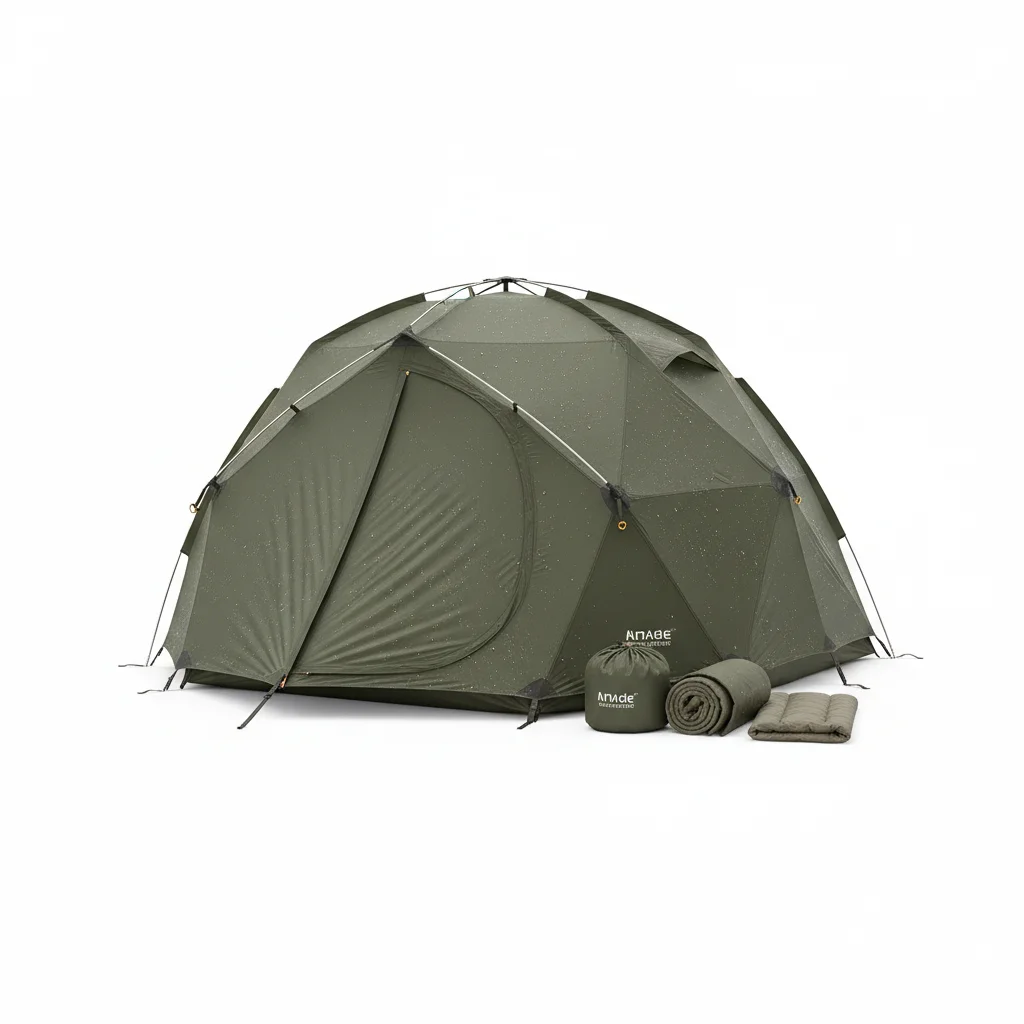
Choosing the best waterproof camping tent for wet weather involves understanding key features like hydrostatic head ratings, seam sealing, and material types. A truly waterproof tent will keep you dry even during prolonged downpours, ensuring a comfortable and safe outdoor experience. For heavy rain, look for a flysheet with a hydrostatic head (HH) rating of 3000mm or higher and a groundsheet of 5000mm or more, along with factory-sealed seams and water-resistant zippers.
Understanding Hydrostatic Head Ratings for Waterproofing
The hydrostatic head (HH) rating is a crucial indicator of a tent’s waterproofing. Measured in millimeters, it represents the column of water a fabric can withstand before water penetrates. For general camping in moderate rain, a tent with a flysheet HH of 1500mm to 2000mm is often sufficient. However, for heavy rain or prolonged exposure to wet conditions, look for ratings of 3000mm or higher for the flysheet and 5000mm or more for the groundsheet. A higher HH rating generally means better water resistance, but it can also add to the tent’s weight and cost. For shop curated camping tents on this site.
The Importance of Seam Sealing and Zippers
Even the most waterproof fabric can fail if the seams aren’t properly sealed. Manufacturers use various methods, including taped seams, welded seams, or silicone coatings, to prevent water from seeping through stitching holes. When evaluating a tent, check for factory-sealed seams on both the flysheet and the floor. Additionally, look for waterproof or water-resistant zippers, often protected by storm flaps, to prevent leaks around openings. These small details significantly contribute to a tent’s overall ability to keep you dry.
Key Waterproofing Materials and Their Benefits
Camping tents are typically made from synthetic materials like polyester or nylon, often treated with a waterproof coating. Polyester is generally more UV-resistant and less prone to stretching when wet, making it a popular choice. Nylon, while strong and lightweight, can stretch slightly when wet and may require a silicone coating for enhanced waterproofing. Both materials are effective when properly coated and sealed. Some higher-end tents may feature advanced materials like Dyneema Composite Fabric (DCF), known for its extreme strength-to-weight ratio and inherent waterproof properties, though these come at a premium price.
- Polyester with PU coating for balanced durability and waterproofing.
- Nylon with silicone coating for lightweight and strong water resistance.
- Dyneema Composite Fabric (DCF) for ultimate lightweight and waterproof performance.
- Ripstop weaves to prevent small tears from spreading.
- Durable Water Repellent (DWR) finish to make water bead up and roll off.
Ventilation and Condensation Management in Wet Weather
|
Our Picks for the Best Camping Tent in 2026
As an Amazon Associate I earn from qualifying purchases.
|
||
| Num | Product | Action |
|---|---|---|
| 1 | CAMPROS CP Tent 8 Person Camping Tents, Weather Resistant Family Tent, 5 Large Mesh Windows, Double Layer, Divided Curtain for Separated Room, Portable with Carry Bag |

|
| 2 | Amazon Basics Camping Tent, 3-Season Dome Design with Rainfly |
|
| 3 | FanttikOutdoor Camping Tent 4/6/8/10 Person Instant Cabin Tent Setup in 60 Seconds with Rainfly & Windproof Portable with Carry Bag for Family Camping & Hiking |
|
| 4 | Golabs 3 Person Camping Tent w/ 9.5x8.5 ft Canopy, 3-Minute Setup by Pre-Attached Pole, PU1500mm Waterproof, 4 Side Mesh Tent Top & Door & Ventilation, Portable Family Tent w/Carry Bag & Pocket & Hook |
|
| 5 | Night Cat Pop-up Camping Tent: 2 Person Tent Waterproof Instant Easy Setup Family Tent |
|
| 6 | Coleman Sundome Camping Tent with Rainfly, 2/3/4/6 Person Tent Sets Up in 10 Mins, Weatherproof Shelter for Camping, Festivals, Backyard, Sleepovers, & More |
|
| 7 | Coleman Sundome Camping Tent with Rainfly, 2/3/4/6 Person Tent Sets Up in 10 Mins, Weatherproof Shelter for Camping, Festivals, Backyard, Sleepovers, & More |
|
| 8 | Tents for Camping 2/3/4 Person with Rainfly - Camping Tent Waterproof Windproof Easy Setup, Portable Double Layer Outdoor Dome Tent, Backpacking Tents for Adventure Backyard Hiking |
|
| 9 | 2-3 Person Camping Tent, Instant Pop Up Tents for Camping - 40s Automatic Easy Setup Tent with Rainfly, Double-Layer 3500mm Waterproof & Windproof Instant Tents for Hiking Backpacking |
|
| 10 | Coleman Sundome Camping Tent with Rainfly, 2/3/4/6 Person Tent Sets Up in 10 Mins, Weatherproof Shelter for Camping, Festivals, Backyard, Sleepovers, & More |
|
While waterproofing is essential, adequate ventilation is equally important to prevent condensation buildup inside the tent. Without proper airflow, the moisture from your breath and body can condense on the inside walls, making it feel like the tent is leaking. Look for tents with multiple vents, mesh panels, and a design that allows for cross-ventilation, even when the rain fly is fully deployed. A tent with a good gap between the inner tent and the flysheet also helps to manage condensation effectively.
Setting Up Your Waterproof Tent for Optimal Protection
Proper setup can significantly enhance your tent’s waterproofing. Always pitch your tent on slightly elevated ground to avoid pooling water. Ensure the rain fly is taut and evenly tensioned, creating a good gap between it and the inner tent. This allows water to run off efficiently and prevents the fly from touching the inner tent, which can transfer moisture. Using a footprint or ground tarp under your tent can also add an extra layer of protection against ground moisture and sharp objects.Consider practicing your setup in dry conditions before heading out into the rain.
Maintaining Your Waterproof Tent for Longevity
To ensure your waterproof tent continues to perform year after year, proper maintenance is key. After each trip, especially if it rained, make sure to thoroughly dry your tent before packing it away to prevent mildew and degradation of the waterproof coatings. Clean any dirt or debris gently with water and a soft sponge. Periodically, you may need to reapply a DWR treatment to the flysheet or reseal the seams if you notice any leaks. Always store your tent in a cool, dry place, loosely packed rather than tightly compressed, to preserve the fabric and coatings.
Frequently Asked Questions
What hydrostatic head rating is best for heavy rain?
For heavy rain or prolonged wet conditions, a tent should have a flysheet hydrostatic head (HH) rating of 3000mm or higher. The groundsheet should have an HH rating of 5000mm or more to prevent water penetration from below.
How do seam seals contribute to a tent's waterproofing?
Seam seals are crucial because they prevent water from seeping through the stitching holes in the fabric. Manufacturers use methods like taped, welded, or silicone-coated seams to ensure these vulnerable points remain watertight, significantly enhancing overall waterproofing.
Which tent materials offer the best waterproofing?
Polyester and nylon are common synthetic materials for waterproof tents. Polyester with a PU coating offers balanced durability and waterproofing, while nylon with a silicone coating provides lightweight strength. High-end options like Dyneema Composite Fabric (DCF) offer extreme waterproof performance.
Why is ventilation important in a waterproof tent?
Ventilation is essential in a waterproof tent to prevent condensation buildup inside. Without proper airflow, moisture from breath and body can condense on inner walls, making the tent feel wet. Tents with multiple vents and mesh panels help manage this effectively.
What steps can improve a tent's waterproofing during setup?
To improve waterproofing during setup, pitch your tent on slightly elevated ground and ensure the rain fly is taut and evenly tensioned. This creates a gap between the fly and inner tent, allowing water to run off efficiently and preventing moisture transfer.
Choose the Best Waterproof Camping Tent
Selecting a waterproof camping tent involves evaluating hydrostatic head ratings, seam sealing, and material types to ensure protection in wet weather.
Determine the appropriate hydrostatic head (HH) rating based on expected rain conditions. For moderate rain, 1500-2000mm is sufficient, but for heavy rain, opt for 3000mm+ on the flysheet and 5000mm+ on the groundsheet.
Inspect the tent for factory-sealed seams on both the flysheet and floor to prevent leaks through stitching. Ensure zippers are waterproof or water-resistant and protected by storm flaps for added security against moisture.
Consider materials like polyester with PU coating for durability and UV resistance, or nylon with silicone coating for a lightweight option. Higher-end tents may use Dyneema Composite Fabric (DCF) for ultimate performance.
Look for tents with multiple vents, mesh panels, and a design that promotes cross-ventilation. Adequate airflow is crucial to prevent condensation buildup inside, even when the rain fly is fully deployed.
Choose a tent that is easy to pitch correctly, ensuring the rain fly is taut. Factor in long-term maintenance, such as drying the tent thoroughly after use and reapplying DWR treatments or resealing seams as needed.

I got a tent that claimed to have factory-sealed seams, but after a really heavy downpour, I noticed a tiny bit of leakage around one of the corners. It wasn’t a huge flood, but enough to make me wish I’d double-checked the quality myself. For moderate rain it’s fine, but I wouldn’t trust it in a serious storm without some extra seam sealer.
I finally invested in a tent with a 3000mm hydrostatic head rating for the flysheet, and it made all the difference on my last trip to the Pacific Northwest. We had a couple of days of non-stop rain, and everything inside stayed completely dry. No more waking up to damp gear! It’s definitely worth paying attention to those HH ratings.
My old tent always struggled with the groundsheet getting soaked, even with a tarp underneath. I upgraded to one with a 5000mm groundsheet rating, and it’s been fantastic. Even camping on slightly damp ground, no moisture has seeped through. It’s a small detail but makes a huge difference for comfort.
I used to think all ‘waterproof’ tents were the same, but understanding the difference in material types and how they contribute to waterproofing was a game-changer. My new tent, which uses a robust ripstop nylon with a good DWR coating, has held up incredibly well in some pretty nasty weather. It’s lightweight too, which is a bonus for backpacking.